Friday, October 28, 2022

Animal Abuse: How You Can Prevent It From Happening


Animal abuse is one of the most important topics for us to discuss, but it’s also among the most difficult to contemplate. Animal lovers can’t understand the psychology behind animal abuse, yet it happens every day.

In many cases, abuse isn’t as obvious as one might think. For instance, a dog owner who leaves the animal outside in 100-degree temperatures without water or shade all day is abusing that dog, yet there might not be outward signs of the abuse.

Animal abuse also often takes place far from the public’s prying eyes. You wouldn’t know if your neighbor was abusing an animal unless he or she brought the activity outside where you could see it.

That’s why we need to understand animal abuse, break down what it entails, and fight against it at every opportunity. If nobody speaks up or stops the abuse, it will continue to occur.

What Is Animal Abuse?


Animal abuse is the treatment of any animal that causes physical or psychological damage. That’s a pretty broad definition, but we’ll break down some of the most common manifestations in a minute.

What you need to know right now is that animals are sentient beings. They experience fear, pain, and other negative emotions just like your pets experience joy, love, and contentment.

There are two basic types of animal abuse:

  1. Commercial: Animal abuse that is committed for the purpose of furthering an organization’s profits.
  2. Personal: Animal abuse that occurs between a person and an animal.

While large-scale animal abuse might seem like the most important issue to tackle, there’s no such thing as a “minor” abuse situation. Any one person who abuses a single animal should be brought to justice.

That’s why most governments around the world have laws against animal cruelty. Law enforcement investigates reports of animal abuse and takes appropriate action.

This doesn’t mean, however, that ignorance is excused. There are plenty of resources available to anyone who wants to learn how to properly care for an animal. This includes providing adequate nutrition, hydration, room to move, exercise, and socialization.

What Animals Are Most Abused?

kinds of animals that are abused

Some animals are more frequently targeted for abuse than others. Ranking at the top of the list, of course, are household pets like dogs and cats. Animal cruelty can involve actively abusing an animal, neglecting that animal, or abandoning the animal.

Livestock and animals used for entertainment purposes are also often abused, sometimes in large-scale operations. These animals can’t fight for themselves, and in many cases, there are no laws against their mistreatment.

For instance, you can’t cut off your dog’s nose without breaking the law — it’s animal abuse — but factory farmers can de-beak chickens without penalty. The disproportionate laws concerning animal cruelty are among the first things that require addressing.

Let’s take a closer look at the animals most often subjected to abuse.

Dogs

what kind of animals are abused

Human beings have stronger relationships with dogs than any other animal. We domesticated them long before we domesticated other animals, such as cats and horses, and we’ve bred them throughout history to work in collaboration with us.

Birds

domestic birds abused

Some people keep birds as pets, whether they’re finches or parrots. More often than not, bird abuse happens in the form of neglect.

For instance, all birds have very specific dietary requirements. If those needs aren’t met, they get sick and, in the worst cases, die from the abuse.

Birds can also become prey to other animals in the house. If a neglectful bird owner leaves the cage accessible to a cat, for instance, the cat might eat the bird. That isn’t the cat’s fault, but the human’s.

What Are the Different Types of Animal Abuse?
zoos and animal abuse

We’ve talked about several forms of animal abuse, but it’s important to understand each type and why it occurs. If we’re cognizant of the role animals play in meeting human desires, we can start to chip away at it.

Improper Confinement

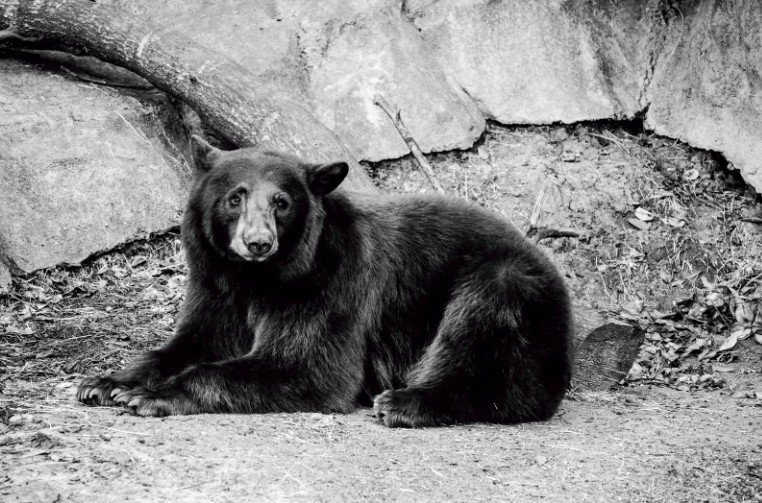
Animals used for entertainment purposes are sometimes abused. Many zoos and other similar organizations provide amazing habitats for animals that live in captivity for one reason or another. However, they’re not all well-kept or adequate for the animals confined there.

Animal abuse exists on movie sets and at animal shows. When animals are forced to work in service to humans, the human can always use his or her power to dominate the animal.

Fighting

Animal fighting has been a sport for many years. Roosters and dogs are the most frequent victims of these “sporting” events.

An animal fight involves putting two or more animals in an enclosure together. One of the animals must kill the other to “win.” Attendees bet on which animal will come out victorious in the fight, so the event generates money for those who participate.

Fighting is considered animal abuse and often goes hand-in-hand with other crimes. The important thing to realize is that these animals don’t consent to the fighting, and they must be brutally trained so they’ll react aggressively when faced with another animal.

Some dog breeds, such as the American pit bull, are among the most targeted for dog fighting.

How Can We Stop Animal Abuse and Cruelty?

There’s no one way to stop animal abuse. However, when more people get involved in the fight against animal cruelty, abusers get exposed and held accountable for their crimes. Additionally, battling animal cruelty with your wallet sends a clear message to companies that use animals for testing or human food.

If you want to help stop animal cruelty, you can follow this blueprint.

Recognize the Abuse

There’s no way to stop animal abuse if you don’t know what it looks like. Most people know instinctively that kicking a dog is animal abuse, but they might not recognize the subtler forms.

Reading articles like this one and others on the Sentient Media blog, watching YouTube videos, and getting involved with organizations like the ASPCA and PETA can help you gather information.

While you’re learning to recognize animal abuse, educate others. Tell the people in your life about what’s going on and how they can help.

Fight the Abuse

Speaking up against animal cruelty can help end animal abuse. The more people talk about it and share education about the humane treatment of animals, the less abuse we’ll see.

You could start a blog about animal rights, create YouTube videos promoting humane animal training, or volunteer at your local animal shelter. Most importantly, adopt your animals from rescue organizations. There will always be buyers for pure-bred animals, but those in shelters need homes now.

Stop the Abuse When You See It

You shouldn’t intervene if you witness violence against an animal. That would put you in danger from the abuser. Instead, call 9-1-1 or the emergency line in your location to get the police involved.

If you see neglect or abandonment, you can decide how to proceed. Either you can intervene, such as by confronting a relative who hoards animals, or you can report the animal abuse to the authorities.

Raising money to prevent animal abuse is also helpful. You might donate to a cause, participate in a fun run, or host a fundraising event. Unfortunately, there are never enough dollars when it comes to funding an animal rights organization.

Conclusion

Animal abuse occurs in many forms, but it shouldn’t occur at all. Animals have rights, and failing to respect those rights has unending consequences.

Create your own statement of ethics. Decide what you value and believe in, then walk the path. The more engaged you are in animal rights issues, the more good you can do for our fellow animals.

Remember that animals have feelings and emotions. They might not express themselves the same way we do, but they need us to champion them.

Saturday, April 9, 2022

Antarctica: Huge Glacier, Huge Risk

 Antarctica: Huge Glacier, Huge Risk


Since the 20th century glaciers have been melting at an alarming rate and thus leaving our planet iceless. Human beings are responsible for the emission of CO2 and other greenhouse gases. How recrystallized snow evolves dictates the sea level and therefore the global stability as a whole.


For more than half a century the Earth's glaciers have been receding as the climate changes rapidly. According to a 2019 satellite study no place on earth can withstand the effects of the phenomenon that is responsible for melting of 9.6 billion tones of glacial ice in the world since 1961. All of this combined threatens to melt a third of all glaciers by 2100, as cited by the World Wildlife Fund.

WHAT IS A GLACIER AND HOW IS IT FORMED?

Glaciers are formed as blocks of moving ice arise due to snow accumulation in cold places which compacts and recrystallizes. For example the mountain and polar glaciers. Glaciers are classified according to their morphology - ice fields, cirque glaciers, valley glaciers, etc. the climate - polar, tropical or temperate and their thermal conditions - cold, hot.

It takes a millennia for the formation of a glacier. Its size varies according the amount of ice it retains in its lifetime. The behavior of these masses is reminiscent of that of the rivers they feed during thaws. The slope of the terrain over which they move defines its speed. 10% of the Earth's surface is covered with ice caps and 70% of it accounts for the world's fresh water.

WHY GLACIERS MELT AND ITS CAUSES

Throughout history the rising temperature of the Earth has been responsible for the melting of glaciers. Todays Rapid climate change might render glaciers extinct in record time. Following are some of the causes for the melting of glaciers:
  • CO2 emissions: industry, transport, deforestation and burning fossil fuels, amongst other human activities increases the concentration of carbon dioxide and other greenhouse gases (GHGs). This warms the planet and causes glaciers to melt.
  • Ocean warming: 90% of the Earth's warmth is absorbed by the oceans, and this in turn affects the melting of the glaciers, which are located near the poles and the coast of Alaska.


EFECTS OF MELTING GLACIERS

Studies conducted by the university of Zurich has revealed that the melting of glaciers has accelerated over the last three decades. This has already reached 335 billion tonnes per year, which is 30% of the current rate of ocean growth. The major impacts of deglaciation are:

  Sea Level Rise

Sea levels have risen by 2.7 cm since 1962. This has been attributed to melting of glaciers. Earth's glaciers combined have about 170,000 cubic kilometers of ice, enough to raise the sea levels by half a meter.

  Impact On The Climate

Oceanic currents are being slowed due to glacial thawing at the poles. This alter the global climate and starts a chain of increasingly extreme weather events all over the globe.

  Disappearance Of Species

Numerous species are facing extinction due to glacial melting, as glaciers are natural habitats of many animals, both terrestrial and aquatic.

  Less Fresh Water

If glaciers disappear then there will be less water for consumption by the population, lower hydroelectric generation capacity, and less water for irrigation.

SOLUTIONS TO AVOID MELTING OF GLACIERS

Even with the massive ice loss, we still have time to save glaciers from their disappearance. Following are some ideas on how we can achieve this goal:

  Stop Climate Change

We need to reduce global CO2 emission by 45% over the next decade and they must fall to zero by 2050 in order to stop climate change and save the glaciers.

  Slow Down Their Erosion

Scientific journals have suggested building a 100 meter long dam in front of the Jakobshavn glacier (Greenland), the most affected by artic melting, in order to contain its erosion.

  Combine Artificial Icebergs

Faris Rajak Kotahatuhaha an Indonesian architect won an award on his project to refreeze the Arctic. In this water is collected from melted glaciers, desalinating it and then refreezing it in large hexagonal ice blocks. Their shape enables them to be combined to create frozen masses.

 Increase Their Thickness

A simple solution has been proposed by the University of Arizona: manufacture more ice. This consists of collecting ice from below the glacier through pumps driven by wind power and then spread it over the upper ice caps, this will freeze, thus strengthening their consistency.

Glaciers are melting, hearts are frozen...

Friday, October 1, 2021

Human Rights

 HUMAN RIGHTS


What are Human Rights ?

Human rights are standards that recognize and protect the dignity of all human beings. Human rights govern how individual human beings live in society and with each other, as well as their relationship with the State and the obligations that the State have towards them.

Human rights law obliges governments to do some things, and prevents them from doing others. Individuals also have responsibilities: in using their human rights, they must respect the rights of others. No government, group or individual person has the right to do anything that violates another’s rights.

Some characteristics of Human Rights

  • Universality and inalienability
Human rights are universal and inalienable. All people everywhere in the world are entitled to them. No one can voluntarily give them up. Nor can others take them away from him or her. 
  • Indivisibility
Human rights are indivisible. Whether civil, political, economic, social or cultural in nature, they are all inherent to the dignity of every human person. Consequently, they all have equal status as rights. There is no such thing as a 'small' right. There is no hierarchy of human rights.
  • Inter-dependence and inter-relatedness
The realization of one right often depends, wholly or in part, upon the realization of others. For instance, the realization of the right to health may depend on the realization of the right to education or of the right to information.
  • Equality and non-discrimination
All individuals are equal as human beings and by virtue of the inherent dignity of each human person. All human beings are entitled to their human rights without discrimination of any kind, such as race, color, sex, ethnicity, age, language, religion, political or other opinion, national or social origin, disability, property, birth or other status as explained by the human rights treaty bodies.
  • Participation and inclusion
Every person and all peoples are entitled to active, free and meaningful participation in, contribution to, and enjoyment of civil, political, economic, social and cultural development, through which human rights and fundamental freedoms can be realized.
  • Accountability and rule of law
States and other duty-bearers must comply with the legal norms and standards enshrined in human rights instruments. Where they fail to do so, aggrieved rights-holders are entitled to institute proceedings for appropriate redress before a competent court or other adjudicator, in accordance with the rules and procedures provided by law.

Human Rights in India

There are six fundamental rights (Article 12 - 35) recognized by the Indian constitution:

  • the right to equality (Articles 14-18)
  • the right to freedom (Articles 19-22)
  • the right against exploitation (Articles 23-24)
  • the right to freedom of religion (Articles 25-28)
  • cultural and educational rights (Articles 29-30)
  • the right to constitutional remedies (Article 32 and 226)

"Human rights belong to each and every one of us equally"


Sunday, May 23, 2021

 Juvenile Delinquency: A Brief Study


Who is a Juvenile?

A juvenile is a young person who has not met a specific age as prescribed by the law of a country and doesn't abide resemblance as a matured person who can be made legally liable for his criminal activities.

What is Juvenile Delinquency ?

Juvenile delinquency is the participation by a minor child, in illegal behavior or activities. Juvenile delinquency is also used to refer to children who exhibit a persistent behavior of mischievousness or disobedience, so as to be considered out of parental control, becoming subject to legal action by the court system.


What are some of the causes of juvenile delinquency ?

  • School Problems - When a child misses a lot of schools they do not reap the benefits of education or learn the discipline of attending school each day. When a minor struggle to learn or has a parent that is simply not interested in making sure that the child attends school regularly, that child can eventually end up in situations that lead to criminal activity.

  • Economic Problems - Lack of food, clothing or a secure place to stay can also lead to criminal activity. Children will turn to steal when they are hungry. If a minor is in a position to not have their most basic needs met, there is a high potential for many types of criminal activity to take place.

  • Substance Abuse (Home Life) - When there is a home life that has substance abuse taking place within the home, there is a high risk for criminal activity by the minors in that home. Crimes may be committed to getting necessities that are not being provided, or they may be committed to helping their caregiver support their habits.

  • Substance Abuse (Personal) - When a teen is using drugs or alcohol there is a significantly higher risk for criminal activity. This is for two reasons. First, the minor will commit crimes so that they can support their habit. The second reason is that the decision-making process in the minor is altered and they may do things that they have not actually thought through.

  • Physical Abuse At Home - When a child or teen is being physically abused at home it is not unusual for them to act out when away from home. This is generally in the form of more violent crimes against people or property.

  • Lack Of Adult Interaction - Children are influenced by those around them. That is the natural order of things. Children who do not have an adult influence in their life to teach them right from wrong, encourage them to stay within the law, or just be a presence in their lives are more prone to criminal activity.

  • Peer Pressure (Neighborhood Influence) - Peer pressure is a very real thing, and minors will often act out in front of their “friends” so that they feel accepted and are a part of a group and ids reasons for juvenile delinquency. In more dangerous neighborhoods you may also see children acting out in fear of gang activity. Minors make choices to protect themselves or to impress gang members to protect their own safety.


Effects of Juvenile Delinquency

  • Effects on the Victims - The victim may incur expenses related to lost wages, health care, or psychological care in addition to the cost of replacing damaged or destroyed items.
  • Effects on the Juvenile Delinquent - He or she may lose his or her freedom while being incarcerated or placed on probation. The juvenile may lose ground academically as well. It also puts him or her in relationships with other delinquents, who may be more sophisticated or influential.
  • Effects on the Families - the family have to cope with the needs of the child who is in trouble, but they may also have to raise large amounts of money to pay for lawyers. In addition, the family has to face the ethical issues of responsibility to the victims of the child's crime.
  • Effects on the Community - There is a correlation between juvenile delinquency and drug use, gang involvement, alcohol abuse, and sexual behavior. All of these issues challenge communities by making neighborhoods unsafe and costing large amounts of public money to be spent on law enforcement.
  • Effects on Society -  It is a serious problem that challenges the efforts of government agencies, politicians, educators, faith communities, and nonprofit organizations alike.

Prevention of Juvenile Delinquency

Prevention is necessary for such children. Firstly, identification of such juveniles and then providing them with the required treatment is of utmost importance. These adolescents become habitual offenders if not timely stopped from committing offences. Moreover, the most effective way to prevent juvenile delinquency has indubitably been to assist children and their families from the very beginning. The State programs attempt at early intervention, allowing numerous groups to tackle this problem in a number of ways. There are many Jurists and criminologists who suggest various provisions for the prevention of juvenile delinquency. Some of the provisions that are very useful for the welfare, development and growth of the juveniles have been mentioned below.

  • Individual Programs - It involves the prevention of delinquency through counselling, psychotherapy and proper education.

  • Environmental Programs - involves the employment of techniques with a view to change the socio-economic context likely to promote delinquency.

Delinquency Prevention is the broad term for all efforts aimed at preventing youth from getting involved in criminal, or other antisocial activities. Various governments are recognizing the importance of allocating resources for the prevention of delinquency. Prevention services include activities such as substance abuse education, treatment, family counselling, youth mentoring, parenting education, educational support and youth sheltering.

Conclusion

The exploitation of children is one of the many evils present in our society. Such abuse has an enduring and profound effect on a Childs life. The problem of child abuse is serious because it forces the child to react or behave in such a way which is harmful to both society and him. This delinquent behavior of the adolescent is due to the mental trauma that he goes through in the early stages of his life. The abuse further varies in nature as physical, sexual, psychological or as a combination of them influencing these youngsters in a negative way.

It is important to eradicate this practice from society to keep control of the problem of Juvenile Delinquency. It is in the best interest of the deviant child to rehabilitate him as early as possible an integrate him back into society. The State has a duty to protect the rights of these children and to come up with reformative methods to inculcate values in these children which can socially uplift and give confidence to them so that they can further play a constructive role in the society.


Tuesday, February 9, 2021

Child Abuse


What is Child Abuse ?

Child abuse or child maltreatment is physical, sexual, and/or psychological maltreatment or neglect of a child or children, especially by a parent or a caregiver. Child abuse may include any act or failure to act by a parent or a caregiver that results in actual or potential harm to a child, and can occur in a child's home, or in the organizations, schools or communities the child interacts with.


Types of Child Abuse


  • Emotional Abuse

Emotional abuse happens when people consistently say things and behave in a way that conveys to the child that they are inadequate, unloved, worthless, or only valued as far as the other person’s needs are concerned.

  • Physical Abuse 

This involves physical harm or injury to the child. It may be the result of a deliberate attempt to hurt the child or excessive physical punishment.

  • Sexual Abuse 

Sexual abuse is defined as any act that forces or entices a child or young person to participate in sexual activities. It is sexual abuse, even if the child does not understand what is happening and there is no force, violence, or even contact.

  • Neglect 

A very common type of child abuse is a pattern of falling to provide for a child's basic needs, which include adequate food, clothing, hygiene or supervision.


Symptoms

  • unexplained changes in behavior or personality
  • becoming withdrawn
  • seeming anxious
  • becoming uncharacteristically aggressive
  • lacks social skills and has few friends, if any
  • poor bond or relationship with a parent
  • knowledge of adult issues inappropriate for their age
  • running away or going missing
  • always choosing to wear clothes which cover their body.


Some Facts on Child Abuse

  • Major abuse reported between the age group of 5 to 11 years
  • Boys, as compared to girls are equally at risk of abuse
  • Persons in trust and authority are major abusers, mostly parents
  • 48.4% girls wished they were boys
  • Most children reported the issue to no one
  • 76% of child abuse perpetrators are a parent to their victim
  • It’s estimated that at least 1 in 7 children in the India has experienced child abuse and/or neglect in the past year


            Prevention


            You can take important steps to protect your child from exploitation and child abuse, as well as prevent child abuse in your neighborhood or community. The goal is to provide safe, stable, nurturing relationships for children. For example:

            • Offer your child love and attention
            • Don't respond in anger
            • Think supervision
            • Know your child's caregivers
            • Emphasize when to say no
            • Teach your child how to stay safe online
            • Reach out


            CHILD ABUSE HELPLINE


            Childline 1098

            CHILDLINE 1098 is India's first 24 - hour, free, emergency phone outreach service for children in need of care and protection. Any concerned adult, or a child in need of help can dial 1098, the toll free number to access our services.


            Tuesday, November 10, 2020

            Effects of Social Media

            Effects of Social Media


            Let us begin by defining social media. Social media are interactive computer-mediated technologies that facilitate the creation or sharing of information, ideas, career interests, and other forms of expression via virtual communities and networks. Nowadays everyone and their grandpas are on some social media platform which themselves are many. It has grown to be a lifeline of humanity. A few decades back men couldn’t have fathom that people will be communicating or sharing ideas or pics over the internet through different social media platforms but here we’re now. For those of you who are still in the dark some examples of social media platforms are Facebook, Pinterest, Tumblr, twitter, reddit etc.

            Let Us take a look at their effects.


            Positive Effects Of Social Media

            Social networking sites allow people to communicate and remain in contact with friends as well as meet new people. These sites allow people to find others with similar interests that they can create a relationship with and get to know one another. Groups can be joined or formed to meet people with similar interests, and views. Social networking allows for creative expression by using tools such as blogging and messaging to post ideas and stories. Users also share poems, interest in music, TV shows, hobbies, photos, and many other things. Event invitations can be made and sent to friends rather than having to mail invitations and friends can also rsvp for an event on the site.

            Not only is it used to talk to friends, but it is also used to discuss educational topics. Social networking is said to increase a person’s quality of life, and can reduce health risks. Many people report that they have not had any negative experiences with social networking, and schools are starting to look at it as an educational too. The use of social networking helps improve technological skills of students, and exposes them to many diverse views about things. It also has helped with communication skills, and allows the learning of cultures from users all over the world. Also students use social networking to discuss homework topics with peers online, and to get help on assignments. Sixty percent of students on social networks have said that they talk about education, and 50 percent specifically talk about school work assignments.

            Social Networking does not just benefit individuals, but it also benefits businesses as well. These sites allow businesses to advertise and market services to a large audience, and a profile is free to set up. Numerous businesses have created profiles that provide detailed information about the business to advertise in a low cost way. Businesses will gain more attention on social networks because the business profile is available to for all users of the social network to see. Also businesses like to use social networks to learn what potential employees are like, and make decisions based on the information provided on the person’s profile.

            Now social networking is becoming mobile and can be accessed through the use of a cell phone. It is thought to be a great idea and would increase the use of social networking since a lot of people carry cell phones with them at all times. People can use mobile phones to update their status, post comments, upload photos, send messages, and update profile from just about anywhere. This allows people to be able to get things done as well as take some time to log onto social networks. Making social networks accessible through cell phones is also expected to increase the number of users by a significant amount. Being able to access social networks from the cell phone unlocks the full potential of social network, and makes it more convenient for people to use. Since it is more convenient to use the number of users has increased and the mobile social networking has increased significantly.


            Negative Effects of Social Media

            Social networking does have negative effects as well. These sites reduce the amount of face to face socializing and replace it with online interaction which is believed to result in low quality relationships with other people. Teens over share information to the public that can hurt them in the future when trying to get a job, and deleting the information is not good enough. Cyber bullying occurs as well, which is bullying people online in a public way, but occurs at a small percentage. People that frequently use online social networking are also prone to social isolation which can lead to depression and decreased social skills. A false sense of security leaves social networking site users vulnerable to security attacks such as hacking, leaking sensitive information, and sending viruses. Identity theft can occur when a cybercriminal uses the network to gather personal information posted about people. It also has been said that social networking sites endanger children by allowing pedophiles to seek out children (Are social networking sites good for our society?). Also since they are becoming mobile it might encourage people to use cell phone to access these sites while driving just like text messaging was a popular thing to do while driving.

            The advent of social media has led to its user sharing useless content and driving intellectuals out of certain platforms. People seem to have forgotten its original purpose. It has made people lazy and stupid. Earlier stupid people couldn't voice their opinions through the whole wide world but now it has become an entirely different story. Radicals have emerged who have done more harm to society than ever. A lot of people including the creators of these platforms have come to realize the harm these are doing to general public.


            Conclusion

            Social networking has its advantages and its disadvantages like everything else does. The sites are continuously advancing, and changing to fix the negative problems. One example would be accessing social networking sites using cell phones so that people can access the site on the go rather than sit at home on a computer. Most users have stated that they have had only positive experiences with social networking, and very few people experience cyber bullying. There are still problems that need to be fixed, but it seems that the positive effects outweigh the negative effects. Social networking is a very valuable tool that can be used to meet new people, and allow people to remain in contact with friends. Even though it can waste time, social networking positively affects the world by allowing people to communicate, and remain in contact with friends in an easy and convenient way.

            Featured Post

             Causes of Suicide and its Prevention Suicide is the act of intentionally causing one's own death. Mental disorders (including depressio...

            Popular Posts